
„SWISS“ Branding – Is it really a good idea?

The recent attention surrounding “On” has brought renewed focus to the scope of Swissness rules. What happened on 23 March 2026 was not, a landmark court ruling, but a clarification of practice issued by the Swiss Federal Institute of Intellectual Property (IPI). Under that clarification, companies may use the Swiss cross together with expressions such as “SWISS ENGINEERING” or “SWISS RESEARCH,” provided that the sign is not understood as indicating Swiss origin for the product as a whole. The IPI nevertheless maintained strict visual conditions for such use.

This is commercially significant for companies that create substantial value in Switzerland through research, engineering or product development, while manufacturing abroad. The clarification acknowledges that reality. At the same time, it does not amount to a general relaxation of Swissness law: the Swiss cross remains a highly protected symbol, and its use must not mislead the public as to the origin of the finished product.

For IP professionals, however, the more important point is broader. This is not only about Swissness. Under Swiss law, indications of source are protected not only for Swiss references, but also for foreign ones. The IPI expressly states that this protection applies to Swiss and foreign indications of source alike, and the Trademark Protection Act further provides that a foreign indication of source is considered correct if it meets the statutory requirements of the country concerned, subject always to the reservation that Swiss consumers must not be misled. In practice, this means that country references such as “Italian,” “French” or “American” may also create legal risk if they shape expectations as to origin.
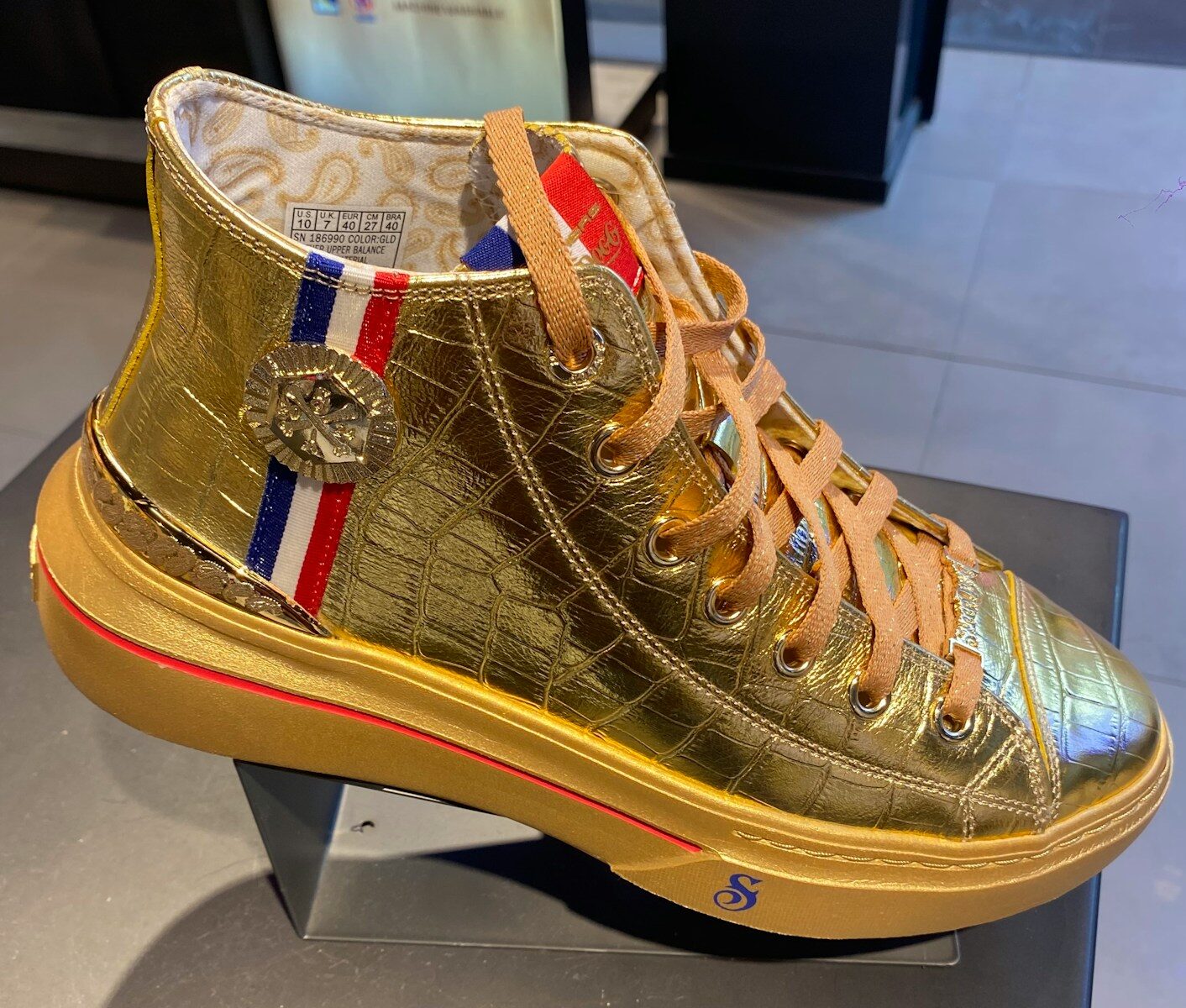
That issue is not merely theoretical. A product sold in Switzerland under a name such as “19V69 ITALIA” may raise questions where the overall presentation suggests an Italian connection while the retailer’s own product page lists China as the country of origin. Whether such use is unlawful will depend on the overall context and on how the relevant public understands the sign. Even so, the example illustrates why country-based branding should not be treated lightly.
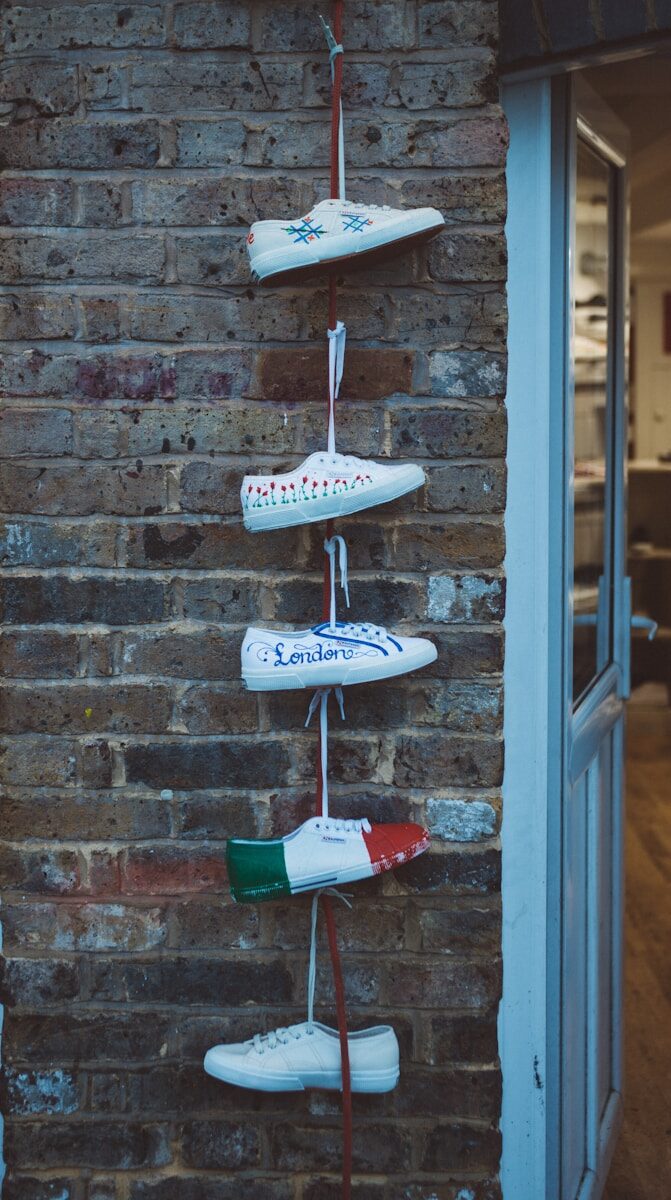
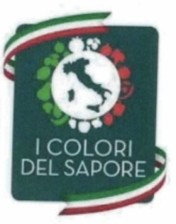
Recent case law also shows that Swiss law can go a step further, beyond origin claims as such. In decision B-2457/2024, the Federal Administrative Court upheld the refusal of “I COLORI DEL SAPORE (fig.)” because the sign was considered confusingly similar to the Italian national flag, despite its EU registration. The appeal was dismissed.


